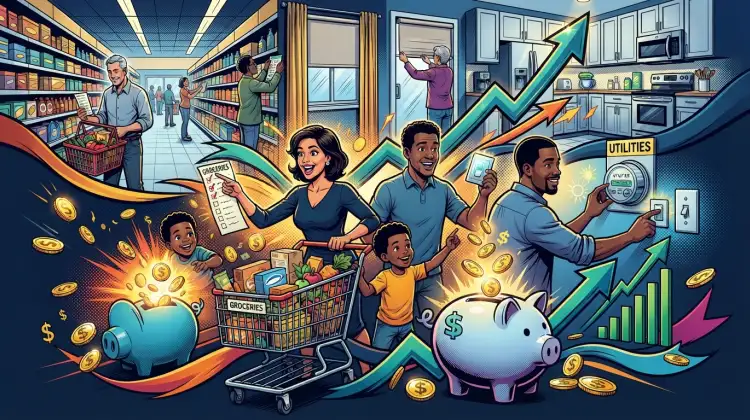
Groceries and utilities are two of the least glamorous line items in a household budget, yet together they often consume a larger share of take-home pay than people realize. According to the U.S. Bureau of Labor Statistics Consumer Expenditure Survey, the average American household spends roughly $6,000 a year on food at home and several thousand more on electricity, natural gas, and water. Because these costs recur every month, small percentage reductions compound into meaningful savings over a year. The strategies below are practical, repeatable, and require no special equipment beyond what most households already own.
Start With a Baseline Before You Cut Anything
You cannot measure savings without a starting point. Pull the last three months of bank and credit card statements and separate grocery spending from restaurant spending, then gather your utility bills for the same period. Most utility providers let you download 12 months of usage history, which matters because seasonal swings in heating and cooling can hide real progress.
Once you have the numbers, set a realistic target. A 10 to 15 percent reduction in each category is achievable for most households within one to two billing cycles. Write the target down and review it monthly.
Cut the Grocery Bill Without Eating Worse
Plan meals around what is already on sale
Weekly store circulars and loyalty-app pricing are published before the sale week begins. Build a rough menu around the proteins and produce that are discounted, then shop from that list. Households that plan meals before shopping consistently waste less food, and food waste is one of the largest hidden grocery costs.
Use store brands strategically
Store-brand staples such as flour, sugar, canned goods, frozen vegetables, and dairy are typically 20 to 30 percent cheaper than national brands and are often produced in the same facilities. Test them category by category rather than switching everything at once.
Buy protein and pantry goods at the right price
- Track a "buy price" for the five proteins you eat most and stock up only when prices fall below it.
- Use warehouse clubs for high-volume, non-perishable items only — bulk perishables often spoil before they are used.
- Compare unit prices, not package prices, since packaging sizes are deliberately inconsistent.
- Check whether your store offers digital coupons that stack with sale prices; many require loading them in the app before checkout.
Reduce shopping trips
Every additional trip increases impulse purchases. One well-planned weekly trip plus a midweek produce run is usually cheaper than three or four casual visits.
Lower Utility Bills With Low-Cost Fixes First
Before considering expensive upgrades, address the cheap, high-return items. The U.S. Department of Energy estimates that heating and cooling account for roughly half of a typical home's energy use, so small adjustments there matter most.
- Adjust the thermostat. Lowering the heat by 7 to 10 degrees Fahrenheit for eight hours a day can save as much as 10 percent a year on heating, per DOE guidance. A programmable or smart thermostat automates this.
- Seal air leaks. Weatherstripping around doors and windows and caulking gaps costs under $50 and reduces drafts that drive up heating costs.
- Change furnace filters. A clogged filter makes the system work harder. Check monthly during peak season.
- Switch to LEDs. LED bulbs use roughly 75 percent less energy than incandescent bulbs and last far longer.
- Run appliances efficiently. Wash laundry in cold water, run full dishwasher loads, and air-dry dishes when possible.
- Unplug phantom loads. Televisions, game consoles, and chargers draw power even when idle; smart power strips cut that draw.
Shop Your Rates and Ask for Better Terms
Utility pricing is not always fixed. In states with deregulated electricity markets, you can compare plans on your state public utility commission's official shopping site. Even in regulated markets, providers offer budget billing that smooths seasonal spikes, and many utilities publish assistance programs, efficiency rebates, and time-of-use rates that reward shifting heavy usage to off-peak hours.
Call your provider and ask directly about available programs and whether you qualify for a lower rate or a payment plan. It is also worth requesting a free or low-cost home energy audit; many utilities offer them, and the resulting report identifies the specific leaks and inefficiencies in your home rather than generic advice.
Build a Simple Tracking Habit
Savings erode when no one is watching. Set a monthly 15-minute review: compare grocery receipts against your target, check the utility bill against the same month last year, and note one change to try next month. Keep a running list of your "buy prices" for staples so you recognize a genuine deal. Over a year, these habits typically free up several hundred dollars that can go toward debt payoff or an emergency fund.
What to Remember
Saving on groceries and utilities is less about extreme couponing and more about consistent, informed decisions. Establish a baseline, plan meals around sales, favor store brands and unit pricing, and fix the cheap energy leaks before spending on big upgrades. Then shop your rates and ask your providers what programs you qualify for. None of these steps requires sacrifice in lifestyle — they simply stop money from leaking out of your budget every month.